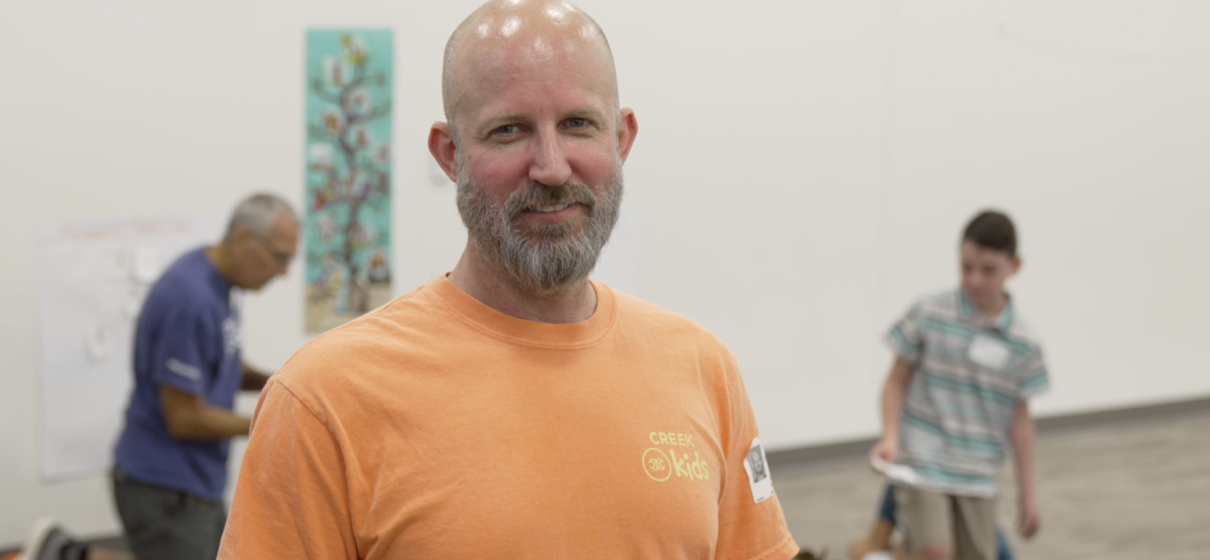
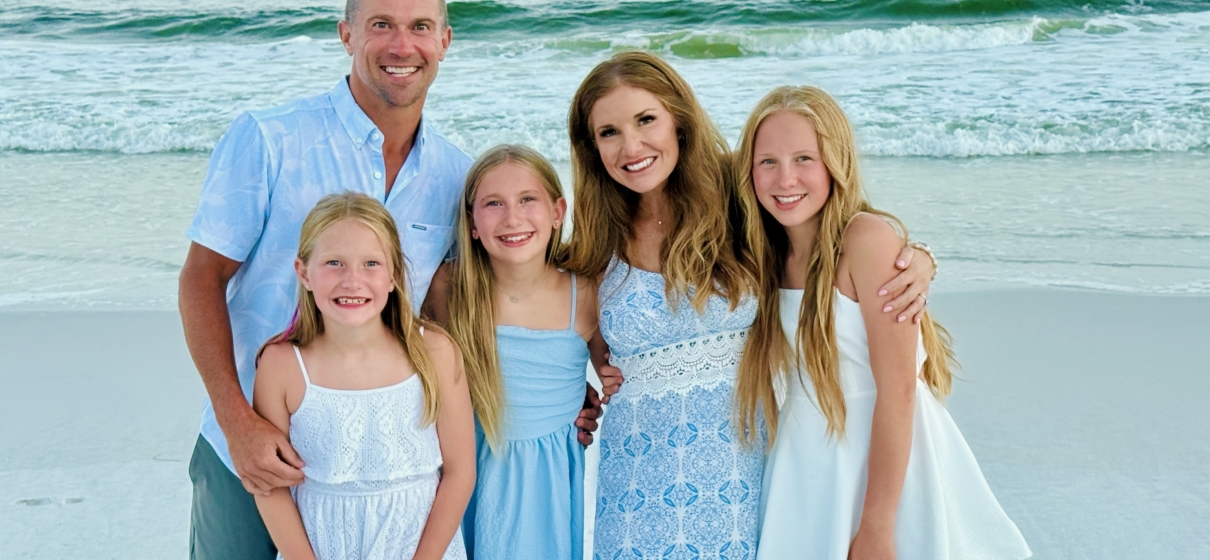
From the Ashes: The Derek Willis Story

You can find Derek Willis at the front doors of the East 96 Campus most Sunday mornings along with his beautiful wife, Abby. They’ll greet you enthusiastically with huge smiles in the church lobby. They’ll even remember your name and make you feel comfortable. Always cheerful, their three spunky daughters mingle easily with their church family. They all seem to know everyone.  

 Active, energetic, and friendly, Derek and Abby fit into their First Impressions roles quite well. They also serve as leaders in the church as Navigators, and Derek recently began serving in Student Ministry, offering his energy and wisdom to a group of sixth-grade boys.   

But just six short years ago, Derek sat in his home office looking out the window onto a beautiful spring day as sunshine poured in the window while a dark knot of depression gnawed at his mind. “It was… the most beautiful day you could ever see,” he recalled. “And I’ve got these three beautiful kids running around. A beautiful wife. This beautiful life. And all I felt was emptiness inside.”  

– – –

Derek’s struggle with depression began his freshman year of high school after suffering concussions while playing football. At the time he was diagnosed with Major Depressive Disorder and began taking medication to control it. For him depression played out through mental fog punctuated with scattered and incohesive thoughts and communication. Depression “was always something in the background” of his life and “really took on a life of its own” during stress-induced depressive episodes. During major depressive episodes, he would take time off school and, later, work.  

Any time he’d try to get off medication, he would fall into another depressive episode. “I always kind of struggled with it,” he said. But he learned to deal with it, and nobody really knew the toll these episodes took on him or the effort he put into managing life. He set up his life in a way that displayed his very best qualities and talents.  

He met Abby during their time at Lamar University, and they later began dating as co-workers. The pair gravitated toward one another with natural vitality, enjoying similar interests like sports, spending time with friends, and just experiencing and enjoying life together.  

During their engagement, a co-worker, Steven Pittman, invited them to join his and his wife’s married couple’s small group. Derek and Abby were not attending church at the time, but Abby’s mother had always advised her that if she kept Christ at the center of her marriage, they could get through anything. Derek looked at the possibility from a more strategic perspective, desiring to know what a successful marriage looked like in the couples who would be in that group. They were all in.  

To Derek, the doctrine of Jesus was attractive. Derek had quite a bit of exposure to faith and an intellectual knowledge of God but not a personal relationship. Very quickly, they were both drawn into the community of small group. Derek saw real people living out real life faith, being open and vulnerable. He hadn’t had much experience with vulnerability, but he felt pulled toward it. Abby was immediately drawn in to small group because of the deep and intimate friendships gained that she didn’t have in other circles. 

The couple began attending services at Clear Creek Community Church soon after joining the Pittman’s small group, and both came to faith in 2010.   

“Derek was on fire for God,” Abby recalled. Derek had a strong desire for knowledge and felt the need to confess sins and ask forgiveness in certain relationships. They both made some radical life changes to surrender fully to God, and they grew in tremendous ways by accepting spiritual mentors into their lives. They married in 2011 and were baptized later that same year.  


I waited patiently for the Lord to hear me… 


Derek and Abby are truly one another’s closest friends. At the time, Abby was one of the few people who understood and witnessed Derek’s mental health struggles, and Derek had long ago accepted the status quo feeling on medication—himself but slightly numb. He thought, Well, this is me. I get depressed sometimes. I can’t fight it.  

Abby simply loved and cared for him through it all. And they maintained their life through it all—growth in church leadership, job changes, and the birth of three daughters. While their life wasn’t perfect, it sure looked like it was. And they were content.  

In late January of 2020, Derek called Abby on his way home early from work one day. She was staying at home with their three young children at the time and recalled his words clearly: “Abby, I think something’s wrong with me. I can’t even complete full sentences. I can’t think thoughts. Something is wrong with me.” And he repeated this one statement: “My brain is broken.” 

Looking back, Derek sees some incidents that could have led to this deep low. He’d been on back-to-back rounds of antibiotics for a bad case of strep throat earlier that winter and then been given more responsibility at work, which became highly stressful. Then one day everything culminated, and he shut down.  

Abby saw very quickly that this time was different. She took charge, setting up doctor’s appointments and taking care of everything at home.  

“I really couldn’t form thoughts,” Derek said. “She had to think for me.” For example, he couldn’t think of the simple steps it would take for him to get ready for an appointment. And they went to many appointments, seeing four psychiatrists and two neurologists among other types of health specialists.  

Daily life changed drastically for them. Derek took a leave of absence from work and eventually took short-term disability as well. A truth they’d once learned during a church series on mental health guided Abby and Derek about his treatment. This truth was to first treat the spiritual and then treat the physical. So, Derek would spend hours each day at the library meditating on God’s word, hoping that piecing together the words on the page would break through not only his mental fog, but his spiritual fog as well. He thought that if he could comprehend the words on the page, then that would fill up the void he felt inside.  

 Mostly, he was just afraid.  

“He was scared he was going to be like this for the rest of his life,” Abby recalled. “He would say, ‘I don’t think my brain is ever going to come back.’”   

“What was typical for me was seeing everything through the lens of the depression,” Derek explained. “You can’t remember when you were happy. I would say yeah, I know that when I get depressed I think like that, and I come out of it. But I really think my brain is broken, and I don’t think God is ever going to fix me.” 

But Derek wasn’t angry with God about this. He almost saw it as an eventuality because of how he saw himself: I’m not good enough, and people aren’t going to like me. 

“My idol is human approval,” he admitted. He’d worn a mask of self-sufficiency his entire life, and now it had been stripped away.  


…and he turned to me and heard my cry. 


One of the few events on their calendar they decided to keep during that season was Nav Retreat, even though Derek was scared because he was still struggling to formulate conversations with others—a task that had once come easily. He’d told very few friends what was really going on.  

He felt the spiritual low of this depression more acutely than others in the past, and he longed for God to speak to him. He felt that “joy was evading” him, and though he could intellectually agree that God loved him, he could no longer feel it. He no longer believed it.  

But during that Nav Retreat, God began softening Derek’s heart toward him again, and he began with Derek’s community.  

During one service, attendees were invited to write notes expressing gratitude to others in the congregation. 

“There was a line of guys to give Derek their card,” Abby remembered, reading from her journal at the time. “It was so beautiful. I wish Derek could see how much he means to others, how worthy he is, that God loves him, and that he is using Derek as an ambassador for Christ.”  

Derek remembered Nav Retreat as the “inflection point” God used to begin lifting him out of this depression. “That was God’s answer to my prayer,” Derek said. “He spoke to me.” This was just the starting point to understanding how much he needed authentic friendships.  


He lifted me out of the pit of despair, out of the mud and the mire. 


After several weeks at home and with short-term disability running out, Derek and Abby became worried about the future. Derek still wasn’t fully out of the depression, and his thoughts were still clouded. Just as a decision loomed, the whole world shut down because of the COVID-19 pandemic.  

Derek’s project was shut down, but he retained his job.  The very thing they’d been praying for—more time for Derek to recover—was provided in a most unexpected way, and it blew Derek and Abby away. 


He set my feet on solid ground and steadied me as I walked along. 


Derek felt seen by God again, and this enabled him to focus more intently on recovery. His energy was up enough to manage time with his daughters, so they didn’t know anything was wrong. He spent his days sleeping and exercising, fueling his body with nutritious foods and supplements and realigning his medications, while also pouring more and more energy into his daily rhythms of Bible meditation and prayer, counseling and family time.  

One day, as the mental fog began to lift, he asked Abby how she was doing. Abby had been Derek’s rock, praying over him, reading Scripture to him, speaking truth into his mind and heart when he couldn’t grasp it. Truthfully, she had begun to feel distant from Derek because he was so focused on healing. But she’d been fueling herself with time in the Bible and prayer, journaling, and venting her concerns and worries to a close circle of friends.  

So, she brushed off Derek’s question, but he kept pressing. Finally, she broke down into tears with “I’m not okay!” confessing the distance she felt and the burdens she carried. But Derek was finally strong enough to take some of the weight for her, and they began a journey toward repairing their relationship.  


He has given me a new song to sing, 

A hymn of praise to our God. 

Many will see what he has done and be amazed.  

They will put their trust in the LORD.  

Psalm 40: 1-3 (NLT) 


“God’s always communicating with us,” Derek says. “He’s always exposing something in us or teaching us about ourselves. This depression is the avenue by which he grew me spiritually.”  

Derek realized that up to the time of this depressive episode, much of his spiritual life was abstract to a certain point. Even God’s love for him was abstract to a large degree.  

He understands now that God needed to guide him into a truer and more fulfilling spiritual relationship. Derek’s weak spot had been his inability to be vulnerable with others, to truly unmask his shame and allow his community to know him.  

But community is exactly where God wanted him. It was “God’s way of wiping away my shame and making his love very tangible for me,” Derek recalled.  

Through truly authentic Christian friendships, Derek was able to understand that “the way through shame is through vulnerability and confession.” Out of a desperate need for relief and healing, he began to open up, confessing his true feelings with friends he knew cared for him. As those friends met Derek with their own struggles with shame, he began to understand that he could put that mask of self-sufficiency away for good.   

 Journeying through this “dark night of the soul” brought Derek to his very lowest point. It broke him and his constant reliance on human approval. God began to address his feelings of inadequacy and shame, targeting them with a fierce love that burned through lies he had believed about himself for as long as he could remember.  

“I was very weak spiritually up to that point,” he confesses. “Fast forward [six] years later, I’m way stronger spiritually. My belief in God is affirmed and trued-up. Less abstract and more concrete. Now, I know how to fight. I know how to identify thought patterns in my head, and I know how to take those patterns captive and destroy the lies.”  

Because of his struggle, Derek believes he has a new purpose in his role as ambassador for Christ, as Abby had seen even in the midst of his depression. “God has uniquely used the pain I endured to strengthen and equip me to walk with people through struggles,” he says, “helping them to see the spiritual component, wage war on the battlefront of the mind, and fix their eyes on Jesus in the midst of their pain.”  

He connects with David in Psalm 23 as David walks through the valley of the shadow of death. “[God] leads me there and is with me the whole time. And then David says, ‘Your goodness and mercy will follow me all the days of my life.’ So, God’s goodness and mercy is always going after him. When hardships happen, God’s always there. He’s always working. So, I don’t ask ‘Why am I going through this? Why does it have to be me?’ It’s more like, ‘God, what do you want for me in this?’ Because I know he has a purpose.”  

Derek feels like a phoenix risen from the ashes; that everything about him has changed. His relationship with God has transformed, and he now finds rest in the fact that he is truly loved by God just as he is. 

Searching for Light, Lured into Darkness: The Crystal Corl Story

It began in elementary school when classmates introduced Crystal to love spells. Growing up in a Mexican household where the idea of unseen forces felt normal and influenced by shows like Hocus Pocus and Sabrina the Teenage Witch, she became fascinated by the idea that magic could offer control. She brought the spell instructions home, hoping it might help with a childhood crush. Her mother threw them away, but the encounter became her first exposure to witchcraft, eventually leading to fifteen years in the occult.  

As a child, Crystal believed in God, especially influenced by her aunt and grandfather. Although her family attended church, they also regularly visited a tarot card reader. Crystal believed she experienced unusual spiritual sensitivity that went beyond ordinary intuition, which was reinforced by her family’s interpretation of her dreams and other experiences. 

Childhood trauma and abuse had deepened her desire for control and belonging, and the reader’s knowledge of personal secrets made her wonder whether that path offered the control she was searching for. Still, something about those visits felt off, though she couldn’t explain why. 

She met her future husband, a man in flight training for the Marine Corps, in Corpus Christi in 2012. After they married, they moved to San Diego, where her husband deployed. Alone and seeking control, Crystal entered a metaphysical bookstore. She recalled her past unease but was also drawn by curiosity. A medium read her tarot cards, revealed intimate details from her childhood, and said there was something different about her. The medium affirmed her “spiritual intuition,” recommended books, and gave her crystals to amplify it.  

This was when Crystal first encountered the light‑and‑love movement, which encourages people to seek identity and guidance through the universe, nature, and crystals rather than God. 

Crystal began reading books, learning tarot, and exploring other practices. She eventually seemed to know things she shouldn’t have known about others, just like the other tarot readers she had met before and felt like she was succeeding in gaining control over her life. Yet, as she practiced mediumship, strange things occurred in her home, and her sleep became plagued by nightmares. She did not connect these experiences to her practices, believing she was inviting light and that her faith in God, which she still carried from childhood, would prevent evil from reaching her.  

Another military deployment moved them to a base in the Mojave Desert in California, which was far more isolated from activities and community than San Diego. Seeking peace and community, she began attending an on-base church and joined a women’s Bible study. She became pregnant with their first child and stopped reading cards during her pregnancy, not wanting to risk anything harming her baby, though she still did not connect her experiences to her practices. She and her daughter nearly died during childbirth. In the postpartum period, while struggling with recovery and depression, she saw what she described as a demonic presence, which disappeared when she prayed.  

She began attending church more regularly, but another move to North Carolina left her without community. Struggling with the need for security and control, she returned to reading cards and paused again during her second pregnancy. After her son’s birth, she saw the same demonic presence as before, which again disappeared after she prayed.  

Eventually, she returned to reading cards for others. “I felt a sense of control,” Crystal said, reflecting on the back-and-forth nature of her practices then and how she kept returning to cards out of a desire to prepare for her future. “But in reality, I was searching for light while being lured into darkness—inch by inch.” Her marriage became strained, her self-image worsened, and she felt lost. 

A few years later, her family moved to Texas, but more strange events followed. Crystal’s five-year-old daughter drew a picture of something she saw in her window and showed her—the same figure Crystal had seen after the birth of each of her children. 

Concerned, Crystal discussed it with her husband. He questioned the altars in the home, including one to Hecate, an ancient goddess associated with witchcraft, suggesting they might be related to the events. She did not see the connection and kept them. 

Crystal took a job at a metaphysical store as a medium but still wanted her children raised Christian. She enrolled her four-year-old son in a Christian daycare, and he began asking about baptism and sharing the gospel with her. His joy reminded Crystal of her grandfather, a key influence in her faith. She asked a friend about local churches, and the friend invited her family to Clear Creek Community Church.  

Her family began attending and continued to attend despite a sudden wave of chaos, including loss and illness. She and her husband felt as if each sermon spoke directly to them. Crystal’s husband accepted Jesus as his Savior and was baptized, and they joined a small group and continued growing. 

One Sunday, a sermon on Gideon in Judges described God commanding him to tear down his father’s altar to Baal before building an altar to the Lord. As the pastor spoke about the impossibility of being “half in and half out,” Crystal felt as though the message was meant for her alone. She realized she had claimed to believe in Jesus while repeatedly turning to the occult for control. Like Gideon, she recognized it was time to tear down the literal idols and altars in her own life, surrender her need for control, and follow Christ alone.  

Filled with conviction, Crystal went home and threw everything away—cards, books, altars, crystals. She declared to her family that Jesus alone would reign in their house, opened the windows and played worship music. The experience brought her tears and relief. She was finally able to surrender her craving for control and entrust her future to Christ.  

Since then, Crystal has left mediumship, and she and her husband have developed a strong desire to learn about Jesus and the Bible through classes, books, and pastoral mentorship. Crystal was baptized in August 2025 and is learning about spiritual warfare, motivated to more deeply understand her own experiences as well as ensure that anything she does or believes moving forward is from the Holy Spirit and not from other influences. She prays for her friends who are still mediums and uses her tattoos—once symbols of her occult past—as tools to share her testimony of how she was brought out of it.  

Looking back, she sees how letting go of tarot and trusting Christ lifted her need for control, and how what once seemed like “light and love” led her deeper into darkness. She describes her return to God like a battered runaway coming home to an open door and porch light on. Jesus met her without hesitation or judgment, just a hug and a welcome back. After years of searching for love and belonging, she finally found both in Christ, the true Light, and for the first time felt fully at home.  

The Molly Clark Story

I didn’t grow up knowing God, and at a young age I experienced true pain. I faced depression, fear, and waves of heavy emotion that seemed unbearable.

On April 19, 2019, my world collapsed when my dad passed away. I didn’t know how to cope. I felt hopeless. I tried every worldly thing to make that feeling go away – substances, influences, and self-harm. But nothing took the pain away.

I felt completely lost.

Then, in the summer of 2023, I signed up for Camp Creek. I think I was just desperate for something, anything to help. What I found was hard to explain – it was like stepping into a different world where my struggles and temptations were quieted, and I could just hear God. It honestly felt like hope. Like something I was longing for and never realized.

During worship and with my group and my leader, I felt like God was speaking directly to me. Calling me to a life with him filled with hope. I gave my life to Jesus that week. I learned that he died on the cross for my sin, and he was raised to life three days later, defeating death and sin and making a way for me to be made right with him. All the sin I had dealt with was forgiven because of Jesus. He found me at my lowest and offered me a new life with him.

I went from lost to found. Hopeless to filled with hope.

And now I live to serve him. He has worked in me to bring healing from loss, forgiveness for my past, and now calls me to live fully for him daily. I serve on Sundays and went on a mission trip this past summer.

I still struggle, but I’m no longer struggling alone because he’s walking with me through it all.

Faithful Living: The Brittany Sartor Story

Brittany Sartor grew up in a home where faith was lived out—where putting God and church first were part of daily life. But as she stepped into adulthood, she began to feel a quiet ache, as though a vital piece of her relationship with God was missing.

She had connections at Clear Creek Community Church and began attending on and off. It was through the smaller campus of East 96 where she began to wrestle with deep questions about the faith she grew up with, realizing that many of her childhood beliefs didn’t align with the gospel of grace she was learning about at Clear Creek’s Sunday services.

Brittany needed a place she could ask all her theological questions. She tried joining a women’s small group but had difficulty finding a time that worked with her schedule. Undeterred, she joined Starting Point, attended classes offered by Clear Creek, and even began serving in Creek Kids to find answers and community. During this time of seeking, she began to accept the grace Jesus offered.

After months of searching, she joined a women’s small group that felt like home. Many of the women were further along in their faith journeys and patiently walked alongside her as she openly asked questions and began fitting together the puzzle pieces of her faith. Small group was the place she felt seen and known. She began to see problems of pride and shame melt away as she experienced friendships without judgment. No longer did she feel the expectation to measure up to certain standards or hide her struggles. Brittany experienced the tangible love of God through simply sharing life with these women—allowing them to bring meals after the birth of her children and praying over deep concerns. Together they saw prayers answered and celebrated them. These women were all in for growth in their faith and sharing life with one another, transforming the way Brittany saw a community of faith.

Small group now feels so part of her normal routine and essential part of her walk with God that she recently began leading her own small group. She often encourages other women to get plugged into a group, saying, “You need to have a day-to-day relationship with other people that are believers that are walking the walk and having those conversations that allow you to form a deeper relationship with Christ.”

Through small group, Brittany has learned that community isn’t a requirement for faith but a source of support that has journeyed with her. This transformative experience in small group is what has fueled her conversations with those in her Top 5 and beyond—really a network of family and friends who she intentionally prays for and builds relationships with in hopes they one day come to know Jesus.

Often, Brittany simply gives others a glimpse of faithful living—engaging in church, participating in small group, and prioritizing her relationship with God.

Brittany says that she never gave a formal invitation to any of these people to come to church. They just saw her living out her faith, and they decided to try it, too. She finds a positivity naturally comes out in the way she interacts with others because she knows she’s “living with the reassurance that she’s saved by grace.”

When talking with others who are seeking Jesus, she trusts God’s direction in what to say and where to go, understanding that she doesn’t have to get it “just right.”

“Living out your faith begins with focusing on your own relationship with Jesus first, and it naturally comes out in conversation,” she says. Brittany is always trying to find ways to keep God in “the front of her days.” When she prioritizes time in God’s word and prayer, those topics are simply top of mind when she’s talking with others. The conversation can easily shift into matters of faith because she’s already been thinking about it.

More than anything, she invests in prayer, having prayed for some for over a decade to come to faith in Jesus.

This past spring, Brittany baptized two women in her family she had walked with for years. And the effect trickled down into the next generation with her niece and her cousin’s daughter also making the decision to be baptized. Over twelve people in her family have become engaged with Clear Creek Community Church since she began coming on her own twelve years ago. Noting the moments when God has moved in the lives of these people she’s prayed for has fueled her faith and encouraged her to keep praying.

Brittany recognizes that investing in the lives of others to know Jesus is slow work. On the day of her sister-in-law’s baptism, over thirty people showed up in support. She says, “It can be frustrating whenever you’re looking at it day-to-day, but when you look back at a decade’s worth of prayers you realize it went from me coming to church by myself [to a whole community supporting and loving one another.]”

Brittany’s life reflects faithful living, yet her story points beyond her own effort to the God who always moves first. He first stirred her heart to receive his gift of grace, and now he continues to move through her life—drawing others toward the same love, community, and hope she has found in Jesus.

The David Sanchez Story

David Sanchez’s smile comes readily these days. He serves in the Children’s Ministry at East 96 almost every week, singing and dancing along with worship. And he seems to never grow tired of meeting new people, getting to know them, and sharing Christ’s love with them.

His wife, Sharon, is amazed at his transformation because she always saw David as a true introvert. She jokes, “Now he wants to talk to everyone!” He feels that people have been put in his path that need to be there.

But the love David shares so freely now is a powerful contrast to the type of love he grew up with. Raised in the foster care system, David learned early on that love was often conditional, even transactional. The kind of love he longed for simply wasn’t there—and deep down, he knew it never would be.

David Sanchez was born in a border town in South Texas to an abusive mother and her boyfriend. The family was very poor, and at the age of eight, David became a ward of the state and was put into foster care due to the physical and sexual abuse he was enduring. He was separated from his sisters and the only family he had ever known. His sisters stayed in the home and were not abused. At first, he missed his mother, but he was happy to have enough food and his own bed and a reprieve from the abuse.

David’s initial foster parents took him to church, and he witnessed a community who were able to genuinely love people because of their love for Jesus. He realized that he wanted to be a part of that and have Jesus in his heart. He was baptized at the age of nine but didn’t have anyone to disciple him as he bounced around in several other foster homes over the next five years. He described his faith as “becoming stagnant” during this phase of his life.

David learned much about how he thought life worked during those years in foster care. He started hanging out with the wrong crowd and getting into trouble. Because of the direct abuse David had suffered and the life he witnessed in foster care, he became very calculated and saw his life like a game of chess during this time. He saw the devastation of the other foster kids when they would hope to go back to their families but then get phased out of the system.

Through it all, his inner voice became I’m the guy. None of this is going to get me down. I will be successful.

Around the age of fourteen, David caught a break and was able to enroll in a magnet school called The Science Academy due to his gift for math and understanding how things worked. It was around this time that he met Sharon—his future wife. They could not have been more opposite. She was a rule follower, while he was breaking them all. Sharon was very focused on her academics, and David was hanging out with troublemakers and making poor life decisions. Despite this, Sharon said once she got to know him, she could “just feel how big his heart truly was.”

Sharon had her own story of abuse. Sharon’s father had been abusive to her mother and siblings but had spared her. She felt a continuous need to rise to his high expectations of her, for fear he may turn on her if she didn’t follow his every rule. She had a very strong Christian upbringing from her mother and remembers coming to Jesus while staying in a hotel with her mom and sisters after one of her father’s abusive attacks. Her mother wanted to sing devotionals, but Sharon was so filled with rage towards her father that it was hard for her to be in the moment. Her mother persisted, and while she was singing the old hymn “It Is Well With My Soul,” she came to know that Jesus was her savior.

These two deeply hurt people were able to see the best parts of each other and come together. The struggles they had both endured during their childhoods created a special empathy in each of them for others, and when they recognized this in each other, they fell in love. David graduated from college with an engineering degree, married Sharon at the age of 28, and they started creating the family and life David had always hoped for.

Five years later, when Sharon and David’s first daughter was born, everything seemed to come crashing down again for David. As a man, he had normalized anxiety and rage as what men just do. The false belief playing in his mind was that men have to be strong. They can’t feel their emotions. David vowed to figure parenting out and studied it like he would an engineering project. Having never been given unconditional love as a child, he found it difficult to feel compassion for his daughter and her sensitive ways.

Sharon leaned on her faith and knew when to pick her battles. She never forced her beliefs on her husband, yet she stayed faithful to her relationship with Jesus. David and Sharon had a second daughter, and as family life became busier, they made church attendance a goal. They tried to attend Clear Creek Community Church when they could but without making any true connections.

Then one day Sharon and David found themselves in front of a group of tables at Clear Creek looking for a small group to join. They began talking with Peggy and Randy Trout, who were starting a married couple’s group. They felt at ease in each other’s presence, and the date and times matched their schedules. So, David and Sharon took a leap of faith and joined their small group.

The group was composed of a lot of older couples with grown children, and even though David and Sharon’s new family was just starting out, they felt like they were amongst aunts and uncles in this small group. The mission of the Trout’s group was “to know and to be known.” David and Sharon soaked up this unconditional love they had never consistently experienced in their young lives.

Soon David and Sharon had people to sit with at church, and they felt known there. This church family that was growing out of their small group started breaking down hard fought for walls. While David felt that his faith was “still lukewarm at times,” he sensed the steady love and support changing him.

Sharon felt constantly in awe of the consistent connection she felt with the people in their group. The older couples modeled how to live a godly life, and the interconnectedness of their church family brought peace to the struggling new parents.

Randy invited David to attend a men’s gathering on the topic of leadership in the home. The speaker talked about how loving your family cannot be done from your own limited source of love, but that you can only love from God’s abundant love. This struck David as very profound. The hardships of parenting and the gift of having two little girls started to slowly chip away at the hard exterior David had created to survive.

David started to understand how selfish and cynical he had been. He could feel the walls he had built as a child slowly starting to come down. In foster care, love was seen as a weakness. But as they experienced love in their small group, David began to feel how good it felt to love others deeply.

He also began to see how his wounds from childhood created a lens of brokenness that he carried into his adult life. But he also discovered that those same wounds that Jesus healed could be his own gift for reaching out to others carrying the same pain.

These lessons naturally flowed into their home life, as their new community showed them how to more confidently disciple their two daughters. The girls could feel how much more their parents had to give to them after they had been poured into during small group meetings.

David and Sharon have been a part of other small groups since the first one that began their journey of transformation. Sharon recalls when one small group leader told her it would bless the group if they could provide meals for their family after one of David’s back surgeries. “That was a pivotal moment that touched our hearts so deeply,” she said.

The endless support from small groups has helped the Sanchezes reach a place of peace within their marriage as well as each of their own inner struggles. They’re able to share the word of God together each morning and bring more patience and compassion to parenting their daughters.

David now seems to carry an abundance of love in his heart for people and shows a deep desire to help those that are fighting similar battles that he once fought. He and Sharon both serve in Children’s Ministry and are planning to become Navigators. Looking back, David and Sharon realize the spiritual drought that they experienced helped them clearly see and appreciate their church family, the authentic community God has beautifully placed in their lives.

A New Creation: The Kevin Mikulan Story

When Kevin Mikulan started dipping his toes into the party scene, he thought everything would be fine. He enjoyed his new friends, and the alcohol made him feel good. He felt like he was finally finding the acceptance and respect he longed for. Most of all, he gained a reprieve from the growing depression that gnawed at his heart and mind. But those first steps soon transitioned into hard drugs and a sense of deepening inner emptiness that he couldn’t escape.

Stepping into a bar was a drastic shift from the conservative Christian environment in which he grew up. He was the son of two Christians who never touched alcohol or drugs. Throughout his childhood and middle school years, his family regularly attended a church that Kevin saw as very strict. Describing this time in his life, Kevin said, “I knew all the stories of the Bible. I knew of God, but I didn’t have a relationship with God. I could recite verses and I could tell you any story in the Bible back then, but it was never a relationship.”

When he was a freshman in high school, his family began attending Clear Creek Community Church, which felt like a whole new world. Now he saw people full of love and joy, and the atmosphere felt free of the judgment he’d felt at his previous church.

Throughout his high school years, his parents were actively involved in the church, and this naturally trickled down to Kevin and his siblings. Kevin even completed two summer internships at the church, seeing the details of how the church operated. To him, Clear Creek appeared to be a church fully committed to furthering the kingdom of God.

During this time, Kevin was sheltered from the outside world, temptations, and struggles. He didn’t experience much of what the world was really like. But that was about to change.

After completing high school, Kevin started going to the College of the Mainland Fire Academy, originally intending to be a firefighter, though he changed course after graduation. For the first time in his life, he was totally independent, able to go places without the knowledge of his parents or those they knew.

That’s when he started dipping his toes into clubs and alcohol use. Such things were strongly discouraged throughout his upbringing, and as he started to explore, he was surprised that those things felt okay. He tried more things, including marijuana. Everything felt new and strange to him, even crazy, but he enjoyed it. He was getting the acceptance from people that he craved, and he adopted a proud, “I’m the man” mentality. But he hid his activities from his parents, feeling that he should pretend to be a Christian to keep them happy.

Throughout Kevin’s second year of college, he delved deeper into the party scene including harder and harder drugs. He stepped away from the church, only going on rare occasions to keep his parents happy. Kevin still tried to hide what he was doing from them, but they could tell something was going on.

One day his parents sat before him, crying and saying, “What are you doing, Kevin? This is not who we raised you to be.”

He lied to them, trying to convince them that he was not doing drugs. He eventually stopped talking to them altogether, but his parents never stopped loving him or praying for him.

The next time he spoke to them was when his father had a major heart attack. Kevin went to the hospital and saw the medical staff working to keep his dad alive. He prayed, “God, if you’re really there, help him. If you help him, I’ll believe in you.” His dad improved, and as Kevin had bargained, he gave up alcohol and drugs. But two months later he backslid.

After graduating from the Fire Academy, an inner sense of loneliness grew within Kevin, despite having many friends and family around him. He didn’t know if he was happy or sad, and he started to question who he was. This transformed into deep, gnawing depression, which he tried to suppress by trying crazier and crazier things. He felt broken and lost.

At the same time, hatred grew in his heart towards God and Christians. He felt like God must be egotistical if he demanded praise, worship, and one’s entire life in exchange for salvation. And when Christians offered to pray for him, he felt indignant, thinking they were hypocrites no better than himself. Everything in church felt so fake.

Then, he ran into Amanda, his future wife, at a concert. He decided to quit hard drugs, figuring there was no reason to do them while he was in a relationship. But he continued going to bars and clubs, drinking alcohol and smoking marijuana. He would get into fights, and when they were over, he looked for Amanda only to find that she had left the bar. She caused him to reevaluate what kind of man he was going to be. But there was still a part of him that felt like he needed to pretend to be a Christian, for her and for everyone else in his life.

Kevin had many conversations with his brother Kyle and his friend Carson on Kyle’s back patio. They talked to him about Jesus, and he finally told them that he was not a Christian. Carson said, “That’s the most honest I’ve ever heard you be.” The comment cut Kevin to the core.

He realized he didn’t have to pretend anymore, and he was honest with Kyle, Carson, and Amanda about struggling with the idea of Christianity. They lovingly came alongside him and helped him gather whatever answers they could.

Kevin and Amanda married in 2022, and his first son was born in 2023. Motivated to be a good husband and loving father, Kevin decided to completely leave his old lifestyle behind, a decision Amanda played a key role in. She helped him make practical decisions about things to cut out of his life so he would no longer participate in the same activities he had before, including drinking at bars and smoking marijuana.

Kevin knew that his parents and his in-laws would expect his child to be raised in church, but he did not want to put his son in a place that taught things he didn’t believe in. He started re-learning about Christianity and joined a small group. He asked many questions, and those around him listened patiently and without judgment. It was one of the first times in his life he experienced unconditional love.

Kyle was intentional with Kevin, often inviting him to things to spend time with him. One invitation was a pickleball event hosted by the church. Kevin went, and the first person he saw was the father of his ex-girlfriend — a girl he had dated in high school and broken up with early in college when he had started drifting away from Christ. Kevin tried to hide his face in shame, expecting the father to have an angry or even violent reaction after the poor way Kevin had treated his daughter. But instead of hitting him, his ex-girlfriend’s father gave him a big hug and told him he missed him. He asked about Kevin’s wife and child, and other details of his life. Kevin was blown away by the grace he was shown and felt he had truly experienced God’s love.

Kevin was placed on a randomized team for a pickleball tournament and ended up on a team with none other than his ex-girlfriend’s husband. As before, Kevin expected a fight or bad blood, but instead, the young man smiled at him and shook his hand. Kevin was again astounded by the display of God’s love and grace.

Then Kevin went on a drive to Dallas with a friend. During the four-hour trip, his friend shared about the deep brokenness going on in his life. Kevin was surprised to find himself encouraging his friend with things that others had been telling him about God and Jesus — things he didn’t believe himself. Kevin realized he had to decide whether he was truly on board with Jesus or not. God’s peace washed over him as he realized it was okay not to have all the answers. He went home, and as he sat crying in a closet, he prayed and gave his life to Christ.

After this, Kevin’s entire mindset changed. Before, he wanted to be a good husband, but now he wanted to love his wife as Christ loved the church. He wanted to be a good father, but now he wanted to find ways to point his son to Christ. He had been focused on himself and his family, but now he wanted to get more involved in his church and serve other people.

His relationships have also changed. Although he loved his wife before, their now shared love of Christ added a new dimension and depth to their marriage. His relationship with his parents was restored. He talked to people at work he hadn’t talked to before, encouraging them to come to church. He even reached out to friends from his old life, sharing the gospel.

Kevin’s anger towards God and Christians completely melted away. Before, Kevin thought God must be egotistical to demand praise, but now, looking at all the changes in his life, he couldn’t imagine not praising him and living for him.

Wanting to obey Christ and to set a good example for his son, Kevin was baptized in December 2024. Today, he serves in the Student Ministry at Clear Creek Community Church as a leader for middle school boys. He has a Top Five list of people he prays for and seeks to build relationships with so he can extend to them the hope of Christ. Free of alcohol and drug dependency, anger, and depression, he now loves to reach out to those around him to tell them about Jesus.

Friendship on Foreign Soil

Meet Krissy

In the beginning of 2020, Krissy Jones found herself in a state of deep spiritual slumber. What started as a desire for rest and a pause from the busyness of life had evolved into apathy toward God and others. For a chronically busy person like Krissy, the Covid pandemic provided a great respite from people.  Seeing social obligations drop off the calendar felt like a dream come true. Covid meant she could tell people no. She could stay home and do nothing, wearing pajamas indefinitely. And like many others, she grew to love it. People required effort, but Netflix offered immediate comfort.  The problem was that living life “asleep” became a steady, insatiable habit. Even when the threat of Covid had passed, Krissy’s spiritual slumber continued.

“I had fallen asleep spiritually, worshiping the gods of pleasure and comfort,” Krissy said. Endless Netflix consumed her time.  She sought rest mostly from sources other than the Lord. On some level, she wanted God to wake her up. But on the other hand, spiritual slumber was easy. It was easier to isolate and focus on herself, convincing herself that “she needed this break.” Sure, she still had spiritual commitments: small group, band, church on Sundays, etc.  But the passion for any of these spiritual pursuits was gone; the life and love of it was missing. After all, people were difficult and hurtful and messy. After several wounds and difficulties in ministry, ice began forming around Krissy’s heart.  Deep down, she knew that chasing after her own selfish desires would never truly satisfy. She had experienced the unexplainable joy of living fully surrendered to Jesus before, and she wanted to feel it again.

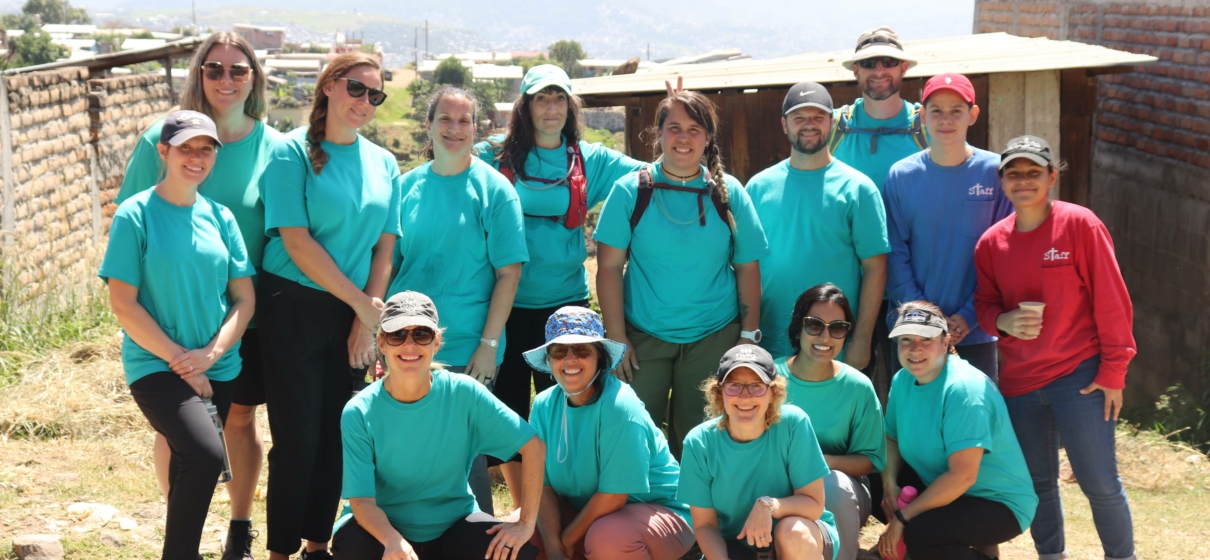
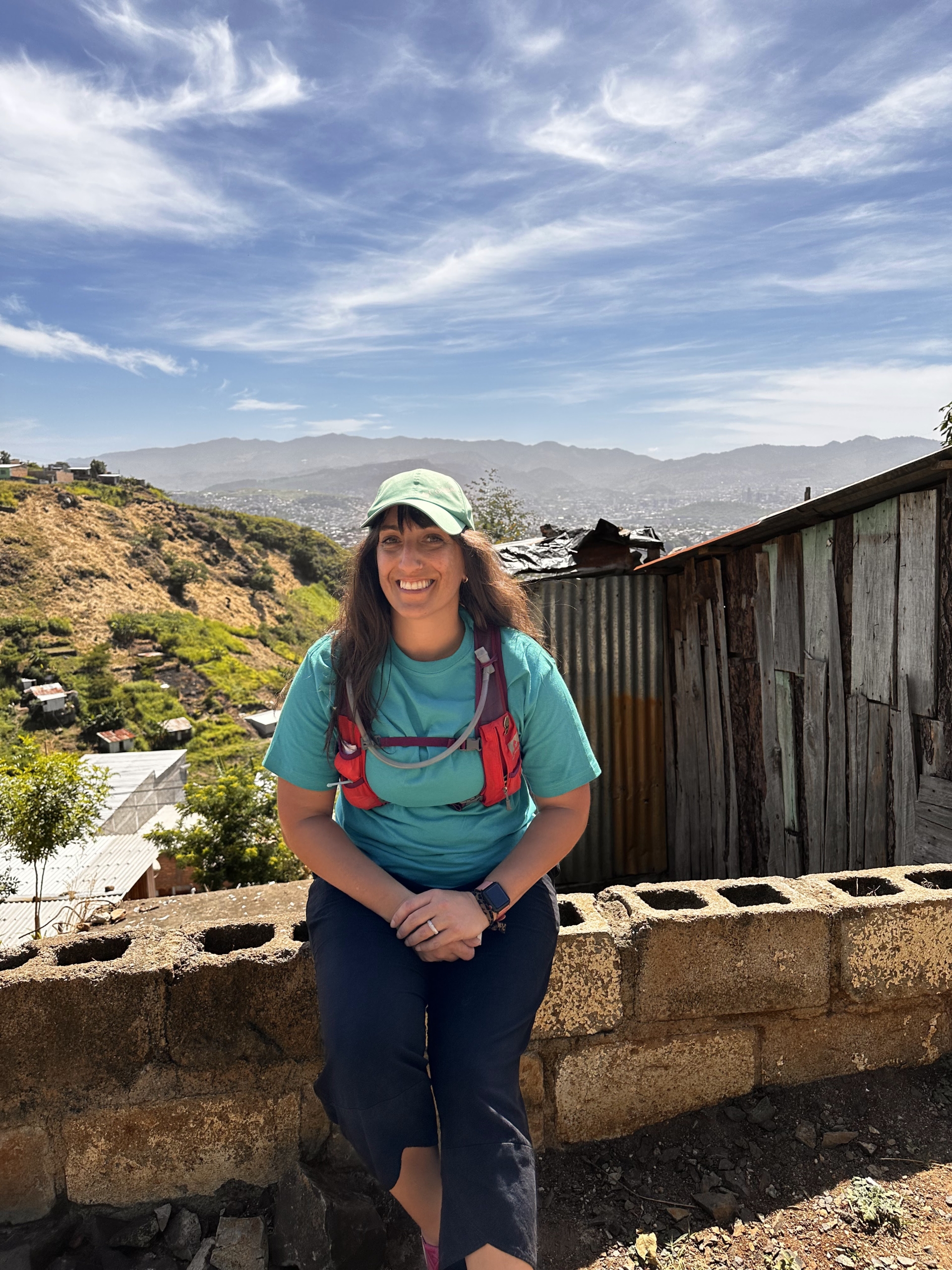
Krissy decided to sign up for the 2023 Honduras mission trip, and she longed for what it promised:  a spiritual awakening.  “I wanted revival. I needed renewal,” Krissy said. She had gone to Honduras on mission trips several times before.  Each time, she had experienced a spiritual awakening, only to fall right back asleep. But something felt different about this upcoming trip.  She began to fervently pray and even express to others, “I want things to be different for me when I come back home.” In the midst of her slumber, Krissy longed for lasting spiritual awakening.


Meet Maria

Maria Diaz’s experience of the pandemic was quite different from Krissy’s. As an ICU nurse, Maria’s work life became heavy and all-consuming. Long work hours, sickness, and death were all around. Isolation began to fill up the spaces that were once filled with friendship. When Covid caused all church services to go online, her feeling of spiritual community disintegrated. It was as though the spiritual wind was taken out of her sails.

Maria felt painfully distanced from her church community, family, and friends. Just as wearing a physical mask helped to shield her from invisible germs that could harm her, Maria’s emotional mask also shielded the fullness of her struggles from others. By protecting her friends and loved ones from the messier parts of who she was—her fears, her sin, her vulnerabilities—she also denied them the privilege of bearing her burdens and celebrating her victories.  In the process, she deprived herself of the joy that comes with sharing the deepest parts of her soul and being loved anyway.

When the imminent threat of Covid was over and people’s lives started to look normal again, Maria was determined for things to change. She was tired of going through the motions, attending church but not fully engaging with God and others. “I longed for something more than what I was experiencing in my spiritual life,” she said. At the same time, troubles began brewing at home. She had just stepped into what turned out to be one of the hardest seasons in her family’s life. As things began to unravel at home, Maria knew she was going to need other people around her.

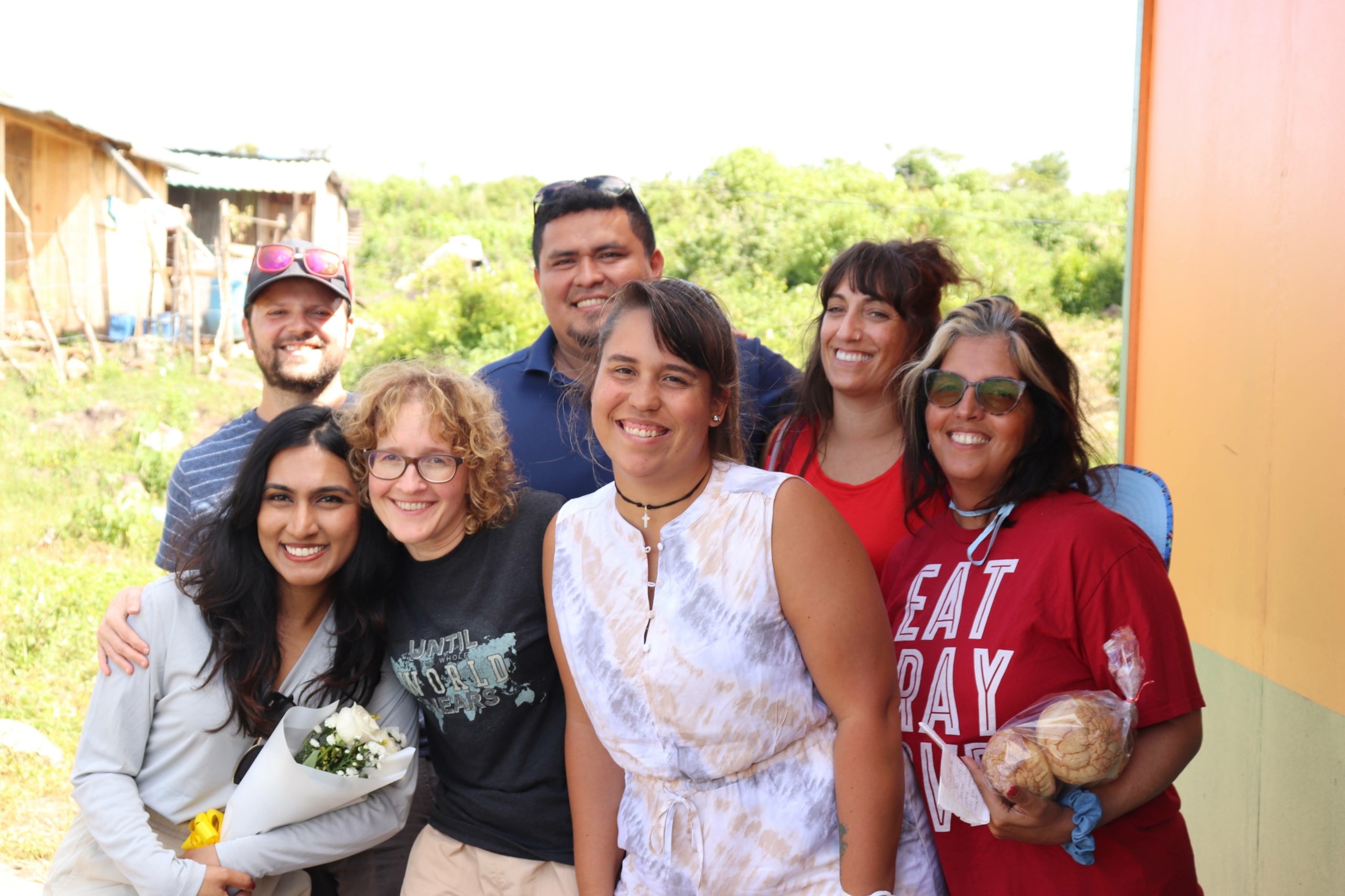
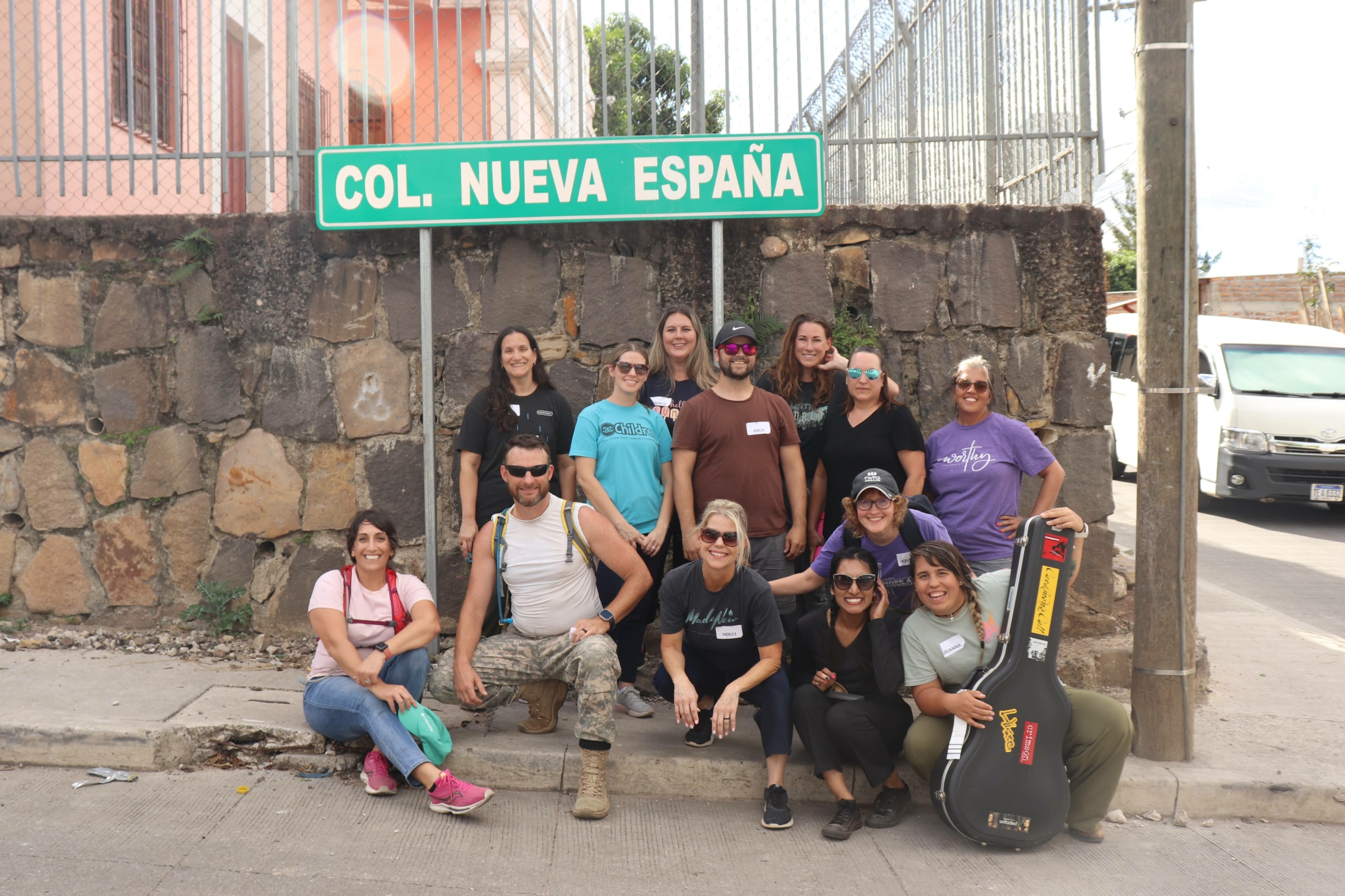
Toward the end of 2022, she decided to get fully re-engaged at Clear Creek. Maria wanted things to be different and decided she was going to be “all in.” As soon as she could, Maria signed herself and her husband up for a small group. They were incredibly intentional with the people in their group, inviting different members over for dinner to get to know them. They were attending church regularly, and soon, even began leading their own small group, but she wanted something more. She wanted to leave the comforts of her life and serve people on international soil. When she heard about the mission trip to Honduras, she signed herself and her husband up for the trip. She did not know anyone else on the trip except for her husband, but that didn’t bother her. She knew this would be an opportunity to build deep friendships with other members of Clear Creek, and she was ready. Maria longed to know others and be known by them, even if it meant flying to another country to do it.


Meet Brianna

As the clouds of the Covid pandemic began to lift, Brianna Bolling found herself firmly planted at the Clear Lake Campus. She was deeply connected to her church community, having spent several years intentionally engaging and building deep roots there. She genuinely loved the people that made up the Clear Lake Campus, and she was fully bought in to the mission of seeing unchurched people become fully devoted followers of Christ. She was leading a high school girls’ group as a student ministry navigator and loving it. Serving students in this way felt like the perfect fit, meshing both her love of discipleship and her leadership skills into a role that felt like it was made for her.

“At that time, I was spiritually thriving, constantly looking for ways to be obedient to God,” she said. Her attitude was one of ready obedience. No matter what God was going to ask of her, she already knew her answer would be “Yes.” She loved Him, and His church, and she felt spiritually alive. When she heard about the trip to Honduras, she decided to go. Not because she had a desire to travel internationally or even go on a mission trip at all, but because she wanted to be obedient to God. Brianna wondered, “How could I encourage my students or people in my small group to sign up for a mission trip if I had never been on one myself?” So, she signed up for the trip, wanting to be obedient and to completely embrace the mission of the church.

As the trip approached, her adult small group started to dissolve into chaos. Her group was full of messy, broken people trying to live in community with one another, bringing all their baggage with them. It was hard. And, as leading a small group tends to do, it shined a light on her own brokenness as well. Brianna leaned on her group guide, Rachel Fisher, as she navigated the uncharted waters of a difficult small group. Through this, Brianna started to feel a need in her life for more women who were slightly older and beyond her stage of life. She longed for mentors in the faith to walk with, share struggles with, and to challenge her to be more like Jesus. She wondered who God might bring into her life to fill that role.


The Trip

What happened on the trip was not totally unexpected—the team bonded quickly and intensely.  Being on foreign soil with others in the name of Christ offered a beautiful experience. They felt a heightened sense of purpose for serving others and sharing the Gospel, knowing all the time, money, and effort it took for everyone to be there. It fused them together. Testimonies were shared; lives were impacted. The love of Christ united them all.

But according to Krissy, “I was skeptical that these new friendships would last after we got back home. The relationships that are formed on short term trips typically last no longer than the duration of the trip. Eventually, the norm goes back to being the norm.”

But something felt divinely different this time. “It took me by surprise when we came home, and the people from the trip kept calling. They kept texting, kept caring, and kept extending the open hands of friendship,” Krissy said. Some of the conversations that started in Honduras spilled over to the states. There were spiritual matters left unfinished, still things left to say, still decompressing and sharing about the impact of the trip. Soon, they were inviting each other to parties and other social events.

The shared time together continued growing deeper roots between Krissy, Brianna, and Maria. The storms of life inevitably hit, but their closely developing friendships helped them stand firm in Christ. Maria’s family struggles weren’t suddenly mended. In fact, when she returned, the storm continued to rage around her. The difference was, she wasn’t walking through it alone. Suddenly there were other women there, like a safety net ready to brace her fall.

“I see God’s hand in all of it,” Maria said, “the timing of the trip and when he brought Krissy and Brianna into my life. I had no idea how difficult my life would become, but God did. He was giving me the foundation of these friendships before life got really hard so that I would have them to cling to.”

Brianna’s small group didn’t magically pull themselves together while she was away. The struggles of leading messy people toward Jesus continued to be messy. But she gained two women to listen to her, to encourage her, and to challenge her.

Krissy’s temptation toward spiritual laziness and apathy didn’t immediately disappear either. But the ice around Krissy’s heart began to melt, and the counterfeit rest she was clinging to became less appealing. In the months following the mission trip, they counseled and uplifted one another. They grieved together and sorted through the confusion of life’s heartaches together. They found themselves scheduling intentional time to hang out and continue to do life together, even in the fast paced, isolating sort of busyness that is all too common.

“God called me to give my love away, to open my house, and open my heart to friendship again,” Krissy said. “I vowed that I would no longer serve the kingdom of self and comfort, letting those desires dictate my decisions. The joy of the Lord and His community is infinitely better.”

Today, Krissy, Maria, and Brianna are still deeply connected. The  years since the trip have brought with them a torrent of unexpected challenges, including health scares, struggles with kids, and other spiritual attacks. Each one of them has endured pain, fear, joy, longing, and everything else that comes along with living. Maintaining healthy friendships with broken people is hard, even when the friendships are forged on a life-changing, gospel-centered trip. But despite busy schedules, personality differences, and different life stages, their deep, lasting love for each other remains. Although all three of them were drawn to the trip with different motivations, God, in his kindness, gave them what they all truly needed—gospel friendship.

“I thought that the trip itself might possibly get me out of my spiritual funk,” Krissy said, “but I did not realize it would be the people that did that.”

Stones of Remembrance: Ali Llewellyn’s Story

Ali Llewellyn’s life looks like most people’s: normal and ordinary. On any given day, she remains busy managing two teams at NASA and co-running a consulting company doing strategy for missional organizations. She even recently co-published a book entitled What Comes Next? about Christian leadership with her friend and business partner.

It was in the middle of the ordinary, in August 2023, that Ali received a major shock: her doctor diagnosed her with cancer. Ali’s response, however, was anything but ordinary. She became determined to not let cancer slow her down.

“I wanted to put cancer in its proper place,” Ali said. “I wasn’t willing for it to be my whole story, nor even a detour. I wanted it to be just a chapter. I’m not going to let it take away the things I care about, and it doesn’t define the terms of my life.”

Despite loved ones and co-workers encouraging her to consider slowing down to let her body rest, Ali persisted in her work and in the callings God had placed in her life. Knowing deep in her soul the love, strength, and wisdom of God, she chose to continue following Him despite her life changing dramatically.

“Growing up in church, I was a dedicated over-achieving little girl who knew all the answers and did all the things,” Ali said. “Doing church is not the same as being saved, though. I ended up at a summer camp where the gospel was shared with me, and it was there that I knew that I knew that He loves me.”

Standing on the lakeshore at Camp Allen, Ali sobbed profusely as she felt the love of God wrap strongly around her. Standing there was a new daughter of God who knew she was secure in a relationship with Him. In return, she wanted to know Him, too. Upon returning home, she began to ravenously read God’s word with the knowledge of how deeply God loves her fresh in her heart.

Ali hasn’t stopped yearning to grow closer to her Father since then; nor has she returned to the “church kid” performance she embraced as a child. When she began attending Clear Creek Community Church in 2022, she dug roots into a community of friends and family. These were the very people who told her “You belong to us” and would prove pivotal in Ali’s life throughout the next few years.

One of these pivotal moments arrived one night in early 2024, the night before Ali was to start chemotherapy. “A friend brought over a giant pink shopping bag stuffed with items and gifts. It was a message of ‘Hey, sorry you’re in the club that nobody wants to be in but we’re here with you,’” Ali said.

One of the most significant items in that bag for her was a quilt with a prayer tag sewn in it, noting that it had been stitched by someone with stage 4 cancer. “I had never met her because it was just left on my porch,” Ali explained. “But it was so humbling that someone with even more advanced cancer turned around and made this for me.” For Ali, this was a gift truly needed the most the night before chemo: the reminder that God was with her and so was her church community.

Two weeks later at church, Ali was at worship – and having difficulty standing up in the service – when someone sat next to her. Miraculously, that person happened to be the anonymous quilter. They started a conversation about how that quilt served them both and prayed for each other.

“God plants those seeds of hope that will help you process and move forward in the journey,” Ali shared.

Later in the spring, another pivotal moment of community happened during an annual girls’ trip, which would involve hiking through a river gorge. Exhausted and weak from surgery, and with her short hair barely coming in, Ali wasn’t sure how the trip would go. She looked at the climb ahead and felt major doubts at being able to travel to the other side. Her friends, however, rallied around her and declared, “We’re going to do it together. No one fights alone.”

“I have a desk job, and I’m not athletic,” Ali said. “I wasn’t honestly sure if I could make it, but my friends wanted to make the climb with me and were there the whole time. At the end, I was so energized. They asked me why that was, and I just replied, ‘It was easy because we did it together.’ Things I couldn’t do before cancer, I could now do in the middle of it.”

Since her diagnosis, chemo, and surgery, Ali’s life has not radically changed like she thought it would (besides climbing a literal mountain). Her life did not stop, either, because of cancer. Her work and general life still remains the same as it was before.

“The gospel goes deeper in my own heart than I even knew,” Ali shared. “Cancer demonstrated the things I thought would end the world but didn’t. We all have a thing in our heart that says, ‘If I had to do that I’d fall apart.’ For me, it was chemo. When chemo was my only option, then it was losing my hair. When I lost my hair, I recognized God’s kindness in showing me that the things I thought would destroy me didn’t. With Him, I have everything that I need.”

Ali recognized that God used cancer to draw her closer to Him and to teach her new things. She doesn’t always understand or like the lesson itself, but she treasures it nonetheless.

God’s reminders for Ali are the reasons she hasn’t slowed down in her work or in God’s callings of her life, despite other’s pleas to do so. That’s how she climbed the mountain despite just having surgery.

“Cancer doesn’t define the terms of life. God does!” Ali said. “As long as I remember where faith belongs and don’t get freaked out along the way, there’s really nothing I can’t do. God says, ‘With Me, you can do anything.’”

To grow one’s faith, one’s perception of God must shift first. When she first received her diagnosis, and then later discovered that she has a genetic disorder that predisposes her to cancer, Ali had to change her perception of God in order to deepen her faith despite the events in her life that seemed to contrast her knowledge of God and faith.

“We live in a broken world where sin and cancer are consequences of the fall,” Ali stated. “God uses it for my good–to demonstrate to me that He is God, and I am not, and that He can be trusted. Do I believe God gave me a predisposed genetic condition for this? I don’t know. Again, God is God, and I am not. But I know this: more is within me than I knew. There’s more hope and faith in me than I knew.”

By sharing her story, Ali strives to provide comfort to those experiencing a major life change themselves or walking alongside someone experiencing a major life change, like cancer.

“If I could go back before all of this, I would tell anyone in a trial, ‘The more you can know God and know yourself is going to help you in that trial,’” Ali shared. “Read God’s word, be in a community, serve people, and worship. The more you can do that, the more you’re making a deposit in the inner man. Out of the overflow of our heart the mouth speaks. Deposit everything you can before the crisis.”

Ali also learned and valued the importance of leaning on other people in difficult times. She knows that there is no virtue in independence and that we were never made to be alone in our pain. She highlights the importance of the idea of community in the gospel itself.

“I was the first person to ask my doctor if I could drive myself to chemo,” Ali said. “I was always independent, so I didn’t like the feeling of needing help or being dependent. Whatever the crisis is, we need people. There’s something in a community response that is part of God’s intent. So, find your circle and let them help you even when you think you don’t need it.”

In an email update to her care circle, dated shortly after her diagnosis, Ali wrote: “We can’t choose our road, though; we can only choose how we walk it. So, I choose to have hope and pay attention to the lessons and the good things. I want to set up stones of remembrance so I don’t forget.”

“And those twelve stones, which they took out of the Jordan, Joshua set up at Gilgal. And he said to the people of Israel, “When your children ask their fathers in times to come, ‘What do these stones mean?’ then you shall let your children know, ‘Israel passed over this Jordan on dry ground.’ For the Lord your God dried up the waters of the Jordan for you until you passed over, as the Lord your God did to the Red Sea, which He dried up for us until we passed over, so that all the peoples of the earth may know that the hand of the Lord is mighty, that you may fear the Lord your God forever.”   –Joshua 4:20-24 (ESV)

As Ali finishes up her treatments, she continues to set up stones of remembrance. She tries not to set up stones of pain, suffering, hopeless nights, or questions of why cancer is happening. Instead, she sets up stones of remembrance of who God is, what He has done for her, and what He will continue to do.

“God is not a vending machine; I don’t get to make a wish and get what I want. But I do get to know Him. When I listen and conform, what I get is Him. So, I win.”

The Katie Brown Story

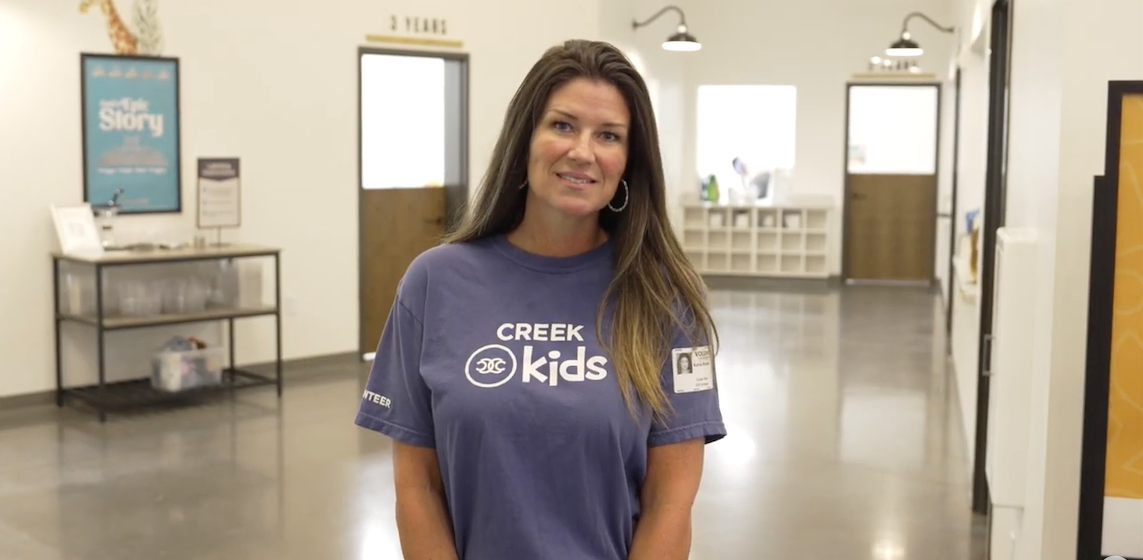
Katie Brown gets to love families at the 528 Campus by serving in Creek Kids, but more specifically so parents can attend service and feel spiritually nourished themselves!

The Chris Clarke Story

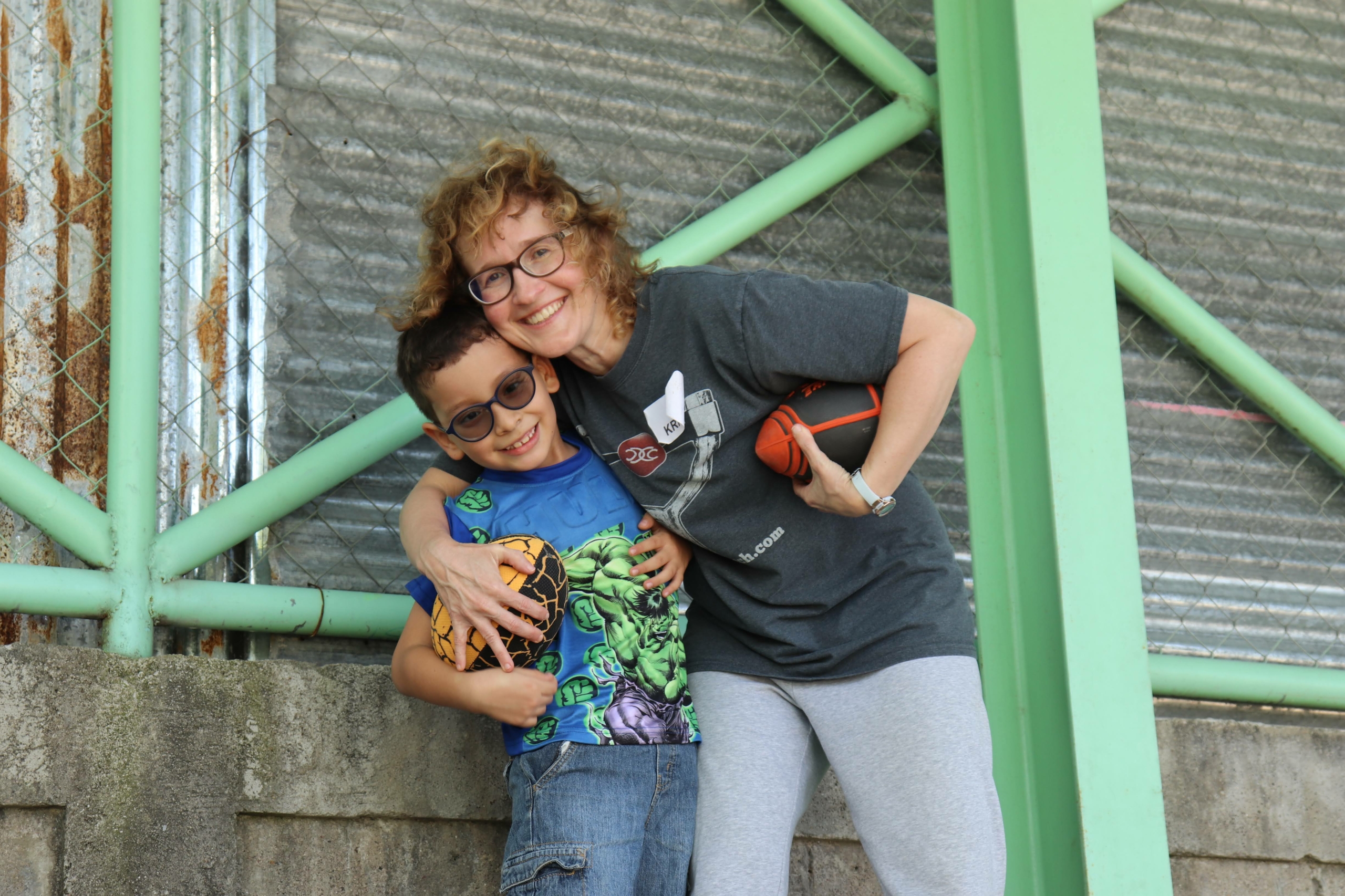
Chris recently went all in to serve with Creek Kids because he wanted to help provide a place for every child to safely explore faith in Jesus!